
To the untrained board, HOA deferred maintenance may seem like a good move, but it can end up causing more trouble. Understanding why it happens, its potential consequences, and possible resolutions can help boards stay on the right path.
What is HOA Deferred Maintenance?
In an HOA community, deferred maintenance refers to postponing routine upkeep or necessary repairs.
Homeowners associations and condominiums are responsible for ongoing maintenance, repairs, and replacements. For several reasons, these tasks may be delayed.
Minor maintenance or repair work may be postponed without issue, but deferring major tasks can result in more significant problems down the road. Even the smaller jobs can worsen over time when left unaddressed, leading to expensive repairs or premature deterioration.
Common Reasons for Delaying HOA Maintenance
Some of the most typical reasons an HOA delays maintenance include budget limitations, underfunded reserves, rising costs, poor planning, board turnover, and pushback from homeowners. Let’s discuss each one below.
1. Budget Limits
The association may not have enough money in its operating account to cover maintenance and repairs. This usually happens when the board tries to keep monthly dues artificially low to avoid complaints from homeowners.
Boards must educate residents on the importance of dues. These dues cover day-to-day expenses, including maintenance, and are integral to the association’s operational success.
2. Underfunded Reserves
Reserves cover the cost of major capital repairs and replacements when these components eventually fail. When reserves are underfunded, HOAs can’t pay for critical expenses. An association may postpone a roof replacement, for instance, if funds are insufficient.
3. Rising Costs
Economic factors can also lead to deferred maintenance by HOAs. Higher labor and material costs can make it difficult for associations to afford maintenance and repairs, especially the more expensive projects.
4. Poor Planning
Sometimes, the HOA board is at fault. If board members fail to track the budget, collect enough dues, or monitor common elements, it can result in delayed maintenance. Some boards also struggle to determine which projects require immediate attention, inadvertently delaying urgent projects.
5. Board Turnover
Board members don’t hold onto their positions forever. When new directors are elected, they may not have all the information they need about the association’s maintenance history, schedule, and plan. To avoid this, outgoing directors must facilitate a complete handover and even mentor incoming directors during the first few weeks of transition.
6. Homeowner Pushback
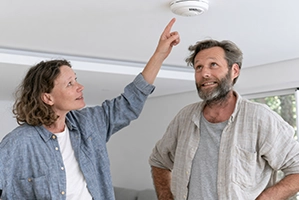
Boards might do everything right — plan for projects, set the right budget, and adjust for inflation. That said, if owners don’t cooperate, the end result is the same.
An HOA may levy special assessments or raise dues to cover maintenance costs. When owners refuse to pay or vote against projects, the whole process is delayed. Board members must then pursue collection efforts or attempt to secure enough votes for projects again.
The Impact of HOA Deferred Maintenance
Deferring maintenance can lead to higher costs, property damage, special assessments, safety risks, and disputes with homeowners. Let’s discuss these items below.
1. Higher Costs
Waiting to fix a problem can make it worse over time. Even something as simple as a minor leak can lead to rotting wood, a burst pipe, or expensive structural damage.
2. Property Damage
Neglecting routine maintenance often results in property damage, such as broken fences, cracked sidewalks, and fading paint. Separately, these may seem like minor issues, but together they can hurt curb appeal and lower property values.
3. Special Assessments
Ignoring problems doesn’t make them go away. It simply delays the inevitable. Once these problems finally come to a head, the HOA will be forced to levy large special assessments to cover the costs.
4. Safety Risks
Critical maintenance and repairs can put residents in physical danger. Elevators can malfunction, balconies can break down, and retaining walls can collapse. In the long term, HOA deferred maintenance can lead to catastrophic failures, massive financial setbacks, and even liability.
5. Disputes With Homeowners
Residents want to take pride in their neighborhood. When common areas appear run-down and property values plummet, the HOA board is certain to face complaints from owners. It can even trigger a vote to recall the board.
How to Solve HOA Deferred Maintenance
Associations can adopt several strategies to avoid or resolve HOA deferred maintenance, including conducting a reserve study, prioritizing safety, creating a funding plan, implementing a maintenance schedule, using qualified contractors, and monitoring conditions regularly. Let’s discuss these below.
1. Conduct a Reserve Study
A reserve study analyzes each component to determine its estimated useful life, current condition, and the cost of future repair or replacement. The HOA board should hire a specialist to perform this study, which will also recommend a funding plan.
If necessary, the association should increase its reserve contributions to achieve a healthy funding level. This will prevent budget shortfalls moving forward.
In Virginia, HOAs (Section 55.1-1826) and condominiums (Section 55.1-1965) are required to conduct a reserve study at least once every five years.
2. Prioritize Safety
Associations must prioritize urgent issues, particularly maintenance or repairs that affect residents’ health and safety. Safety hazards, active leaks, and structural issues must be addressed promptly.
3. Create a Funding Plan
Homeowners tend to fight back against sharp increases in dues or large special assessments. To resolve this while ensuring timely maintenance, the board should opt for gradual increases or special assessments paid in installments. This helps ensure that the community has sufficient funds for planned maintenance.
4. Implement a Maintenance Schedule
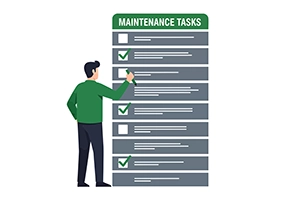
A maintenance calendar establishes clear timelines for ongoing work, repairs, and major replacements. Boards must strictly follow this schedule to avoid neglecting tasks or delaying upkeep.
5. Use Qualified Contractors
The quality of vendors can make a huge difference in the final output. Cheap contractors tend to skimp on materials or take shortcuts. While these practices keep costs low, they can also result in premature breakdowns or deterioration.
Board members must hire qualified contractors that carry the proper licenses and insurance coverage. To do this, it is important to obtain competitive bids, review references, and interview prospects.
6. Monitor Conditions Regularly
Regular inspections help identify problem areas early, allowing the board to address them promptly. The practice also helps prevent issues from worsening or accumulating, which can increase repair costs over time.
The Right Move
It may seem harmless at first, but HOA deferred maintenance can turn small repairs into costly problems. Boards must plan ahead, maintain adequate reserves, and address issues as soon as possible. In doing so, they can protect the community, keep costs low, and ensure the property remains in good condition.
National Realty Partners is a leading provider of HOA management services in Virginia, Maryland, and Washington, DC. We can help your board with rule enforcement. Call us today at 703-435-3800 or request a proposal online!
RELATED ARTICLES:
- Condo Repair And Maintenance Guide: Who’s Responsible?
- 15 Tips For HOA Preparation For Winter
- HOA Budget Calendar: Key Financial Tasks Boards Should Schedule Early