
Spring is the best time to inspect and repair HOA irrigation systems. After months of cold weather and inactivity, irrigation systems can develop problems, including leaks and broken parts. Board members should conduct a full inspection before restarting the system. This way, they can catch issues early and prevent costly repairs.
The Importance of Inspecting HOA Irrigation in Spring
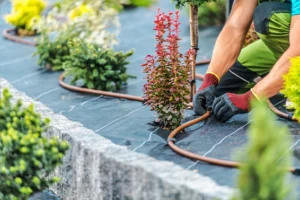
Irrigation systems don’t get a lot of use over the winter season. Due to the cold weather, parts can crack, seals can wear down, and underground lines can even shift. Once the HOA resumes landscaping operations, these issues can become more visible.
For HOA and condo boards, proper irrigation is crucial. It affects curb appeal, resident satisfaction, and even the operating budget. A hidden leak or a poor watering schedule can waste water for weeks before someone notices something wrong. This is why spring inspections should be a part of an association’s maintenance plan.
Common HOA Irrigation Problems in Spring
Irrigation systems may come in different shapes and sizes, but associations tend to experience the same problems. Understanding what these problems are is the first step in conducting an effective inspection.
Here are the common irrigation issues that HOAs find in the spring.
- Broken Sprinkler Heads. Heads can crack due to age, the cold weather, or even foot traffic. Some may also become clogged or tilted.
- Leaking Valves and Pipes. Leaks can waste water at an alarming rate. While some are obvious, as they leave puddles or wet grounds, others are situated underground, making them difficult to spot.
- Misaligned Sprinkler Heads. Over time, sprinkler heads can shift and become misaligned. Instead of spraying water onto plants, these heads can spray water onto sidewalks, streets, walls, or fences.
- Uneven Water Pressure. This can result from leaks, clogs, worn valves, or damaged regulators. Left uncorrected, the system won’t water landscapes evenly.
- Controller and Timer Problems. Timers may run on last season’s schedule, lose power, or run on the wrong days. Recalibration is a must.
How to Restart HOA Irrigation Systems in Spring
When boards start up irrigation systems in the spring, they should follow a clear process. This will help the association to identify problems immediately and prevent water waste or further damage. Here’s how to start up the HOA irrigation system the right way.
1. Schedule a Full System Inspection
The first step is to schedule a complete inspection before the association needs to water anything. This gives the board and the vendor enough time to determine whether repairs are necessary. It also helps avoid starting the season with hidden damage, which can worsen and cost more in the long run.
2. Turn the Water Gradually
It is important to turn the water on slowly, not all at once. Gradual startups allow pipes, fittings, and valves to adjust. If there is winter damage, slow pressurization can make it easier to catch the problem before it worsens.
3. Test Each Irrigation Zone
The HOA board should divide startups into zones and run them one at a time. This makes it easier to see which areas are working properly and which are not.
4. Check Sprinkler Heads and Emitters
Inspecting the HOA sprinkler system is also critical. Check for cracks, clogs, poor alignment, or blocked sprays in sprinkler heads and emitters. Some may only need a simple cleaning, while others may require more comprehensive repairs.
5. Inspect Valves, Backflow Devices, and Main Lines
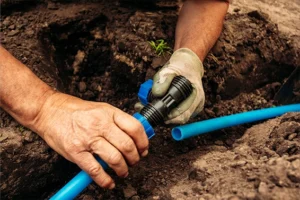
These system components should be checked carefully during startup. Leaks, corrosion, worn seals, and damaged fittings can affect both performance and water use.
6. Review the Controller Settings
Board members should update the controller settings to match spring conditions. These include run times, watering days, and zone durations. This will help the association conserve water.
7. Document Problems Right Away
If there are any issues, boards should keep records, such as photos and notes. This will make it easier to follow up on repairs and compare conditions next spring.
How to Catch Leaks Early
There are certain signs that will appear when there’s a leak in the HOA irrigation system. Some are more obvious, such as wet spots, standing water, erosion, and uneven green patches. If one zone stays damp for too long after watering, it could be due to a broken line or valve issue.
Auditory signs are also worth checking. Hissing, bubbling, or the sound of moving water can indicate a hidden problem. Boards should listen for these and inspect further.
Additionally, boards should stay vigilant about water usage. If this spring shows an increase in water use compared to previous seasons, it could be due to inefficient settings or a leak.
Fortunately, smart irrigation tools are available nowadays. Boards can invest in technology, such as flow sensors, leak alerts, and weather-based controllers, to help detect unusual water use.
How to Control Water Use and Save on HOA Irrigation Costs
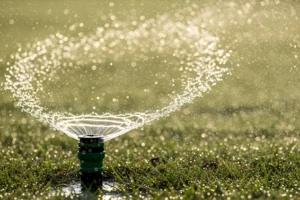
When left unaddressed, small irrigation issues can lead to large expenses. Associations may face higher water bills, significant replacement costs, and deferred maintenance. Fixing issues early tends to cost less than fixing them later, when the problem has already worsened.
Water waste and financial consequences aren’t the only things a leak can cause. It can also damage turf, oversaturate soil, and erode planting beds. Fortunately, there are some strategies the board can implement to conserve water and save on costs.
- Adjust Watering Schedules by Season. Landscapes typically need less water in spring than in summer. The board should adjust the controller and schedule to avoid using more water than necessary.
- Water at the Right Time of Day. Early morning is often the best time to water. During this time, evaporation isn’t too intense, so there is less moisture loss. The landscape also has more time to absorb the water properly.
- Avoid Overspray and Runoff. Boards should align sprays and select nozzles effectively. This will reduce overspraying onto sidewalks and pavements, which is a waste of water.
- Group Plants by Water Needs. Different landscape materials need different amounts of water. It’s a good idea to group plants according to their water needs.
- Upgrade Inefficient Components. Older systems may no longer operate efficiently. Boards should consider replacing these worn heads, outdated timers, or inefficient nozzles to improve irrigation practices.
- Work With Vendors. Landscaping companies are usually well-versed in inspecting, optimizing, and repairing HOA irrigation systems. Boards should work with a qualified vendor to help meet the association’s needs and objectives.
The Best Decision
During the spring, HOA irrigation plays a crucial role in conserving water, saving on costs, and beautifying landscapes. Board members should follow best practices for irrigation inspections, as catching issues early can prevent more expensive fixes later. When in doubt, hiring a professional is the best way to go.
National Realty Partners is a leading provider of HOA management services in Virginia. We can help your board manage and enforce the rules. Call us today at 703-435-3800 or request a proposal online!
RELATED ARTICLES:
- HOA Garden Rules: What’s The Big Deal With Plants Anyway?
- Condo Repair And Maintenance Guide: Who’s Responsible?
- HOA Income: The Top Sources Of Revenue For Associations