
Dealing with HOA delinquency can come as a challenge without proper guidelines. A written policy helps the board determine how to proceed and what conditions trigger certain penalties. Considering the negative effects of a high delinquency rate, associations must strive to keep unpaid dues to a minimum.
What to Include in an HOA Delinquency Policy
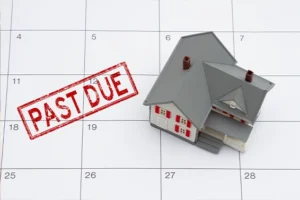
Homeowners associations rely on regular dues to fund day-to-day expenses and long-term costs. Without these dues, an HOA would simply fall apart. Unfortunately, not all homeowners pay their dues on time. Some even default on their dues, refusing to pay them at all.
When that happens, board members must know what to do next. This is where an HOA delinquency policy comes in. While specifics can differ, such a policy typically includes the following:
1. Grace Periods
Homeowners must pay their HOA fees by a specific deadline. If they pass this deadline, the dues are considered late. While some communities enforce collection actions at this point, others allow a grace period.
Whether or not the latter approach is a good fit will depend on the association’s needs and history of unpaid dues. If boards find that owners tend to abuse the grace period, often going past the due date, then getting rid of the grace period might be a better call.
2. HOA Delinquency Letter
An owner becomes delinquent when they fail to pay their dues. Once that happens, boards typically begin the collection process by sending a notice or letter of delinquency. This gives the owner a chance to settle their unpaid balance before the association pursues further action, which the notice must also outline.
3. Late Fees and Interest Charges
Section 55.1-1824 of the Virginia Property Owners’ Association Act allows HOAs to impose a late fee for regular dues or installments that are 60 days late. Late fees compound the amount owed and discourage owners from defaulting on their dues. An HOA delinquency policy should stipulate whether owners stand to face late fees and by how much.
4. Suspend Privileges
Virginia law allows condominiums, in particular, to suspend an owner’s right to access amenities and use services if they are delinquent for 60 days (Section 55.1-1959). Such rights are reinstated after the owner settles their debt with the association.
5. Payment Plans
An HOA delinquency policy must outline whether payment plans are an option. If they are, the policy must clearly define the terms and conditions. To prevent abuse, owners who have previously entered a payment plan or defaulted on one may not enter one again.
6. Collection Agency
Some associations refer HOA delinquency accounts to a collection agency. This agency will then assume the responsibility of collecting unpaid dues, along with any late fees or interest charges. As payment, the agency either takes a percentage of the amount collected or charges a flat rate.
7. Legal Action
Associations may take legal action against an owner who has delinquent HOA dues. If the HOA wins the lawsuit, a court may grant wage garnishment or order the owner to pay their debt, along with the association’s legal fees.
8. Liens
Section 55.1-1833 of Virginia law permits associations to file liens on unpaid dues. The HOA must provide written notice of the lien via certified mail at least 10 days before filing the memorandum of lien. After that, the HOA can file a memorandum of lien in the circuit court clerk’s office.
Liens make it harder for an owner to sell their home or refinance their mortgage. Furthermore, the association can initiate foreclosure proceedings following the lien.
9. Foreclosure
If an HOA records a lien for unpaid dues, it can enforce that lien by judicial or nonjudicial foreclosure (Section 55.1-1833). The HOA must start the foreclosure process within 10 years after recording the lien. This means either filing a foreclosure lawsuit or issuing a foreclosure notice. An association can foreclose on a home for delinquent fees only if the total lien amount exceeds $5,000 (excluding legal fees and costs).
The Impact of HOA Delinquency on the Community
While it might not seem like anything to worry about, delinquency can have a profoundly negative effect on an association. A high HOA delinquency rate can disrupt cash flow, cause maintenance delays, burden paying owners, raise legal costs, jeopardize the reserve fund, complicate loan or insurance applications, and create conflict in the community.
Cash Flow Problems
The most immediate impact of HOA delinquency is reduced cash flow. Associations rely on regular dues to pay operating costs, such as landscaping, utilities, maintenance, and more. When multiple owners stop paying, the association may struggle to cover these basic expenses.
Deferred Maintenance
Delinquent HOA fees can significantly delay maintenance and repairs. When the association doesn’t have enough money, boards are forced to cut back on costs. Oftentimes, this means postponing maintenance, resulting in common area deterioration. Over time, this can affect the appearance and condition of the community, lower property values, and turn off potential buyers.
Increased Financial Burden on Paying Owners
A high delinquency rate makes for an unfair playing field, as boards shift the financial burden to owners who pay their dues without fail. If an HOA can’t collect enough money from delinquent owners, the board will have to increase regular dues or impose special assessments. And who will pay for these? Non-delinquent owners.
Legal and Collection Costs
Associations often need to pursue collection actions to recover unpaid dues. This may involve sending demand letters, contracting a collection agency, filing liens, or initiating foreclosure proceedings.
All of these cost money, both legal and administrative. While the HOA may charge these costs to the delinquent owner, it still needs to pay them upfront.
Reserve Fund Risks
A high HOA delinquency rate can force the board to dip into the reserve fund to cover operating expenses. Reserves are meant for major repairs and replacements in the future. Using them for daily costs instead can leave the reserves underfunded.
When major costs come up eventually, the HOA would have no way to pay for them. The board will need to raise dues by a significant amount or levy large special assessments to meet reserve needs.
Loan and Insurance Complications
High delinquency rates can affect the association’s financial credibility. Lenders typically review the association’s financials when considering mortgage approvals and loans.
If too many owners aren’t paying their dues, lenders may offer unfavorable rates or deny the application altogether. This can discourage potential buyers. For the HOA, it can result in higher insurance premiums or stricter underwriting.
Community Tension
Delinquency can also create conflict within the community. Paying owners may become frustrated with neighbors who are not making their contributions. At the same time, delinquent owners may feel pressured or resentful when collection actions begin.
Reducing Delinquencies From the Start
HOA delinquency can trigger a domino effect, from raising costs and delaying maintenance to burdening owners and creating conflict. The best way to prevent this is to nip the problem in the bud. Boards should make it easier for owners to pay their dues by sending regular reminders and offering convenient payment methods. If the situation calls for it, aggressive collection efforts should apply.
National Realty Partners is a leading provider of HOA financial management services in Virginia. We can help your board manage and enforce the rules. Call us today at 703-435-3800 or request a proposal online!
RELATED ARTICLES:
- HOA Fees (Homeowners Association Dues) Explained
- Can The Board Levy A HOA Special Assessment?
- HOA Foreclosure In Virginia: Can A HOA Board Take Homes?