
When there’s mold in condo buildings, health risks, liability, and damage can follow soon after. It is important to address mold before it worsens, but in condo associations, there is always the question of who should be liable. Is the association on the hook for remediation, or does the responsibility lie with unit owners?
The Risks of Having Mold in Condo Building
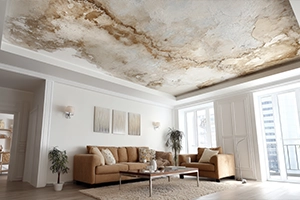
Mold is a common household enemy, as it can grow in small, dark spaces, causing problems before owners even notice. It might seem a harmless patch of discoloration, but there is more to mold than meets the eye. In fact, mold can bring on a number of unsavory consequences.
Health Issues
If residents have runny noses, red eyes, skin rashes, and constantly sneeze, it might not be just hay fever. A condo mold problem can cause allergic reactions in people. It can even lead to respiratory issues, such as coughing, shortness of breath, and wheezing. Those with asthma are particularly at risk.
Even in non-allergic individuals, mold can irritate the eyes, nose, throat, and skin. In rare cases, mold can even cause infections, especially in those who have weakened immune systems. Over time, mold can result in chronic symptoms such as memory problems, fatigue, and headaches.
Property Damage
An HOA mold problem might seem small, but it can quickly spiral out of control. Left unchecked, mold can spread and cause damage to both structural properties and personal belongings. Continued growth can force the association or its members to pay for costly repairs.
Liability
Condo associations can face legal liability when there is mold in common areas. If mold spreads to units, owners may take action against the association and claim financial damages.
Lower Property Values
All these combined can lead to lower property values. Nobody wants to buy and move into a unit that has a mold problem. It’s even worse if the issue is widespread, stemming from common areas and permeating through many units.
Mold in Condo: Who is Responsible?
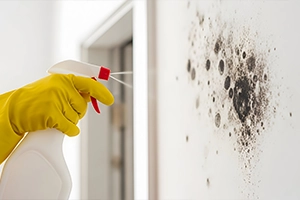
Mold is not always easy to remedy, especially when it has spread. This is why owners or board members might attempt to pass the blame. When determining responsibility for condo mold, it is vital to investigate the cause and origin, as well as the legal ownership.
Condo Association Responsibility
When there’s mold in condo common areas, the association is typically responsible. The COA must address the cause of the mold, which is often due to leaks originating from common pipes, walls, or other shared elements.
The association is also responsible for mold that stems from building-wide structural issues or exterior problems that allow water inside. Poor maintenance can also place the burden on the association, as the board’s responsible for ensuring proper care.
If there is damage to the building’s structure, the COA is generally liable for repairs. This includes replacing drywall, subflooring, and baseboards that the mold might have damaged.
Sometimes, mold grows as a result of a natural event, such as a hurricane or storm. If insurance covers this, then the association is responsible for the repairs through common expenses.
Unit Owner Responsibility
Owners are responsible for their individual units. If the mold results from an owner’s negligence or failure to maintain their unit’s interior, they must cover the damages. Some owners even cause mold growth by the way they use their dwellings. For example, constantly drying clothes indoors without proper ventilation can lead to mold.
Unit owners are responsible for repairing or replacing interior surfaces and their personal belongings. This is because these items are not included in the building’s main structure.
How to Determine Responsibility for Mold in Condos
While the general rule applies, it is still important to follow a step-by-step process when deducing who is responsible for mold in condo buildings.
1. Identify the Cause
The first step is to discern the source and cause of the mold growth. It could stem from a leak in a common area or from an owner’s negligence. Proper investigation is crucial.
2. Check the Governing Documents
The next step is to refer to the condo association’s CC&Rs and bylaws. These documents should outline what the association and the owners are responsible for individually. Checking the community map will also help.
3. Document Everything
Board members and owners should remember to document every step of the process. From the initial discovery and investigation to the resolution, diligent recordkeeping can help iron out disputes. Take photos and videos. Keep records of all communications, too.
4. Seek Professional Advice
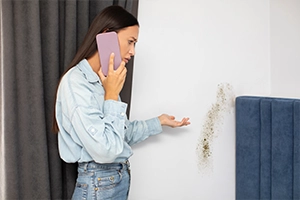
Finally, if there’s a disagreement or if it’s difficult to determine the cause, boards should turn to a professional. Talking to a lawyer or to someone who specializes in condo mold remediation can shed light on the path forward.
Who is Responsible for an Apartment Mold Problem?
Condo associations aren’t the only buildings that experience mold. It can also grow in apartments, especially poorly maintained ones. In apartment buildings, the landlord is usually responsible for fixing mold if it results from structural issues or a lack of proper maintenance.
Tenants must notify their landlord or property manager at the first sight of mold. Addressing the problem early on is critical to prevent its spread. The landlord or property manager can then investigate the issue and make plans to remediate it.
If the tenant caused the mold, they are responsible for the resulting damages. They may still call their landlord or property manager to handle the remediation, but the tenant will have to shoulder the cost of repairs.
Immediate Yet Careful Action
Clearly, there are several risks when associations or owners allow mold in condo buildings to fester. While taking swift action is essential, proper steps must be followed to determine the cause and responsibility. This will prevent disputes from arising later on.
National Realty Partners is a leading provider of association management services in Virginia. We can help your board manage and enforce the rules. Call us today at 703-435-3800 or request a proposal online!
RELATED ARTICLES:
- Condo Repair And Maintenance Guide: Who’s Responsible?
- A Step-By-Step Guide To HOA Transition From Developer Control
- A Guide On HOA Violations And Fines In Virginia Communities