
The use of HOA communication tools can help associations disseminate information more efficiently. While in the past associations relied heavily on snail mail and posting flyers on bulletin boards, today’s technological landscape affords more possibilities. It is essential to learn how to use these tools effectively.
The Importance of HOA Communication Tools
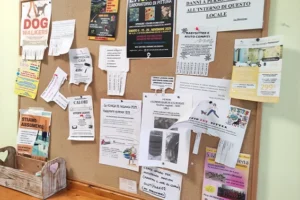
Communication tools help associations share information quickly and in an organized way. Without reliable communication systems, misunderstandings can easily grow, and important notices may get missed. This will cause frustration and tensions to rise within the community.
For many associations, communication directly impacts transparency, trust, and resident satisfaction. Homeowners often become angered when they feel uninformed about board decisions or community projects. Communication tools help improve transparency by giving residents easier access to updates, documents, and announcements.
Communication platforms also make it easier to deliver this information consistently, rather than relying solely on paper notices or word of mouth. This is particularly useful during emergencies, such as storms, water shutoffs, fire alarms, utility interruptions, and evacuations.
Furthermore, proper communication can help reduce disputes. Residents often feel upset when they don’t understand why a rule exists, why dues have increased, or why a project was approved. Consistent communication allows the board to explain these decisions before unrest grows.
Finally, communication tools increase homeowner engagement. They make residents feel more connected to the community. Plus, associations can use these platforms to share community events, volunteer opportunities, and surveys.
The Most Useful HOA Communication Tools
In today’s world, there are countless ways to stay in touch with people. That said, associations only need the basics. Here are the best HOA communication tools and how to use them.
1. Email

One of the most common and effective tools is HOA email communication. Associations use email to distribute notices, reminders, announcements, meeting agendas, maintenance updates, and financial information. It allows boards to communicate with residents quickly and efficiently.
Association boards should use email for official communication that residents may need to reference later. Because email creates a written record, it can help document notices and responses.
Here are some tips to use email effectively:
- Keep messages clear, professional, and concise.
- Subject lines should identify the purpose of the message immediately to capture attention.
- Avoid long or confusing emails as residents often ignore or misunderstand them.
- Maintain updated owner contact lists and encourage residents to provide current email addresses.
- Require owners to opt into electronic notices (if state laws and governing documents permit).
- Avoid improper board discussions through email.
- Don’t use personal email accounts for HOA business. Instead, board members should have dedicated email accounts to maintain professionalism.
In Virginia, Section 55.1-1832 allows HOAs to use tools such as email, electronic voting, virtual meetings, and digital signatures instead of relying solely on paper documents and in-person meetings. The exception is if the association’s governing documents prohibit the practice.
2. HOA Newsletter
Newsletters are great for a more community-focused communication method. Many HOAs distribute monthly or quarterly newsletters that contain updates about projects, upcoming events, rule reminders, financial information, and seasonal maintenance tips.
Unlike quick email notices, newsletters allow boards to provide more detailed explanations and educational information. They can help residents understand why the association makes certain decisions instead of simply announcing them.
Here are some strategies to use newsletters effectively:
- Keep the content informative and professional, but avoid excessive detail to avoid overwhelming readers.
- Avoid using newsletters to embarrass owners or discuss confidential matters. Negative content can damage trust within the community.
- Send newsletters regularly to help owners stay informed.
- Consider digital newsletters to reduce printing and mailing costs.
3. Website or Owner Portal
Websites and owner portals serve as centralized communication hubs for the community. Many associations use them to store documents, post announcements, collect payments, and manage maintenance requests.
A well-maintained HOA website can significantly improve transparency. Owners often use these platforms to access governing documents, meeting minutes, financial reports, architectural forms, rules, event calendars, and contact information. Online portals also allow boards and management companies to communicate efficiently with residents.
To use websites and owner portals effectively, consider adopting these tips:
- Ensure the information published remains current and accurate.
- Inspect for and remove outdated documents, broken links, and inactive pages.
- Prioritize security and privacy using secure login systems, firewalls, and two-factor authentication.
4. Text Messaging (SMS)

Text messaging allows associations to deliver urgent or time-sensitive information quickly. Because most people read text messages almost immediately, SMS systems are especially useful during emergencies or unexpected disruptions.
Text messaging works best for short and immediate communication rather than lengthy explanations. Associations commonly use text messaging for water shutoff alerts, storm updates, security concerns, emergency maintenance notices, meeting reminders, and gate or access issues.
Here are some tips for using SMS effectively:
- Limit the use of text messaging. Avoid overusing it for nonessential announcements, as too many messages may cause residents to ignore alerts altogether.
- Obtain proper consent before sending mass text messages. It is best practice to enroll residents in SMS systems.
- Avoid discussing sensitive matters through text messaging.
- Maintain a professional, concise, and informational tone at all times.
5. Social Media
Many associations now use social media platforms to communicate with residents. HOA communication apps like WhatsApp and Viber are best for casual and instant messaging. Some communities also create social media groups for community announcements, event reminders, resident discussions, emergency updates, and general communication.
Social media apps are great for communities with a younger demographic. Residents already use these apps regularly in their daily lives, so there is little to no adjustment. That said, boards must still use social media with care and consideration. Common pitfalls include misunderstandings, arguments, and gossip.
Associations should establish clear rules for the use of social media. These rules must govern:
- Respectful conduct
- Harassment and bullying
- Political discussions
- Confidential information
- Misinformation
- Advertising or spam
Social media is only for informal communication. Boards should never make official decisions using these platforms. Doing so can expose the association to liability, especially regarding open meeting requirements. Social media must also never replace formal notices.
Use With Care
There are many benefits to using HOA communication tools, such as improved transparency, greater convenience, and increased engagement. They also help the association save money on printing and mailing costs. That said, improper use can expose the association and its board to liability. It is always best to align with state laws, the governing documents, and best practices.
National Realty Partners is a leading provider of HOA management services in Virginia. We can help your board manage and enforce the rules. Call us today at 703-435-3800 or request a proposal online!
RELATED ARTICLES:
- Are Virtual HOA Meetings Still Valid In Virginia?
- HOA Harassment Policy: Protecting The Board And Homeowners
- The Impact Of Slow Mail Delivery To HOAs And Homeowners