
Overseeing HOA insurance deductibles is a struggle for many volunteer boards. It can be difficult to set the right deductible, balance it against premiums, and allocate payment. Understanding how deductibles work, who pays them, and when they are triggered is the first step towards better insurance management.
What are HOA Insurance Deductibles?
An HOA insurance deductible is the amount that an association must pay out of pocket before its policy covers a claim.
In general, association insurance deductibles have an inverse relationship with insurance premiums. An HOA that agrees to take on higher deductibles pays lower premiums on its policies. Conversely, an HOA that wants a lower deductible can expect to pay higher premiums.
How Much are HOA Insurance Deductibles?
Insurance deductibles vary by policy and carrier, but they generally range from $2,500 to $25,000 or more.
Board members must check with their insurance agents to understand the deductible amount on their policies. Standard HOA master policy deductibles fall within the range above, but they apply to specialized risks. Wind, hail, and earthquakes typically use percentage-based deductibles rather than flat rates (about 1% to 5% of the total insured value).
Who Pays HOA Insurance Deductible?
The responsibility for paying HOA insurance deductibles typically falls on the association, but it ultimately depends on the governing documents.
When a deductible kicks in, the HOA may use its reserve or operating funds to cover the cost. Another way is for the association to divide the HOA master insurance policy deductible equally among all homeowners and collect the amount through special assessments. These are the usual options if the damage happened solely to the shared or common elements.
Either way, the money comes from the homeowners. Special assessments are additional charges that owners must pay, whereas the operating budget and reserves are funded by owners through regular dues.
That said, in some cases, the association may charge the deductible to a specific owner if the damage originated from or only affects their unit. The owner can then pay the deductible by filing a claim through their own personal HO-6 policy.
What is HOA Insurance Loss Assessment Coverage?
Loss assessment coverage protects individual homeowners against high deductibles. This coverage is typically an endorsement added to the owner’s personal HO-6 homeowners insurance policy.
When an HOA files a claim that exceeds the master policy or assesses the deductible against owners, an owner may use loss assessment to cover their share of the payment obligation. With this endorsement, an owner would not have to pay the deductible out of pocket.
When are HOA Insurance Deductibles Paid?
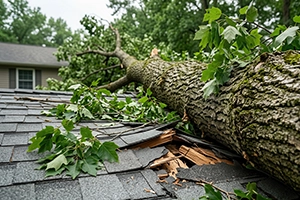
An HOA must pay the insurance deductible after a property damage claim is filed and then processed.
Typically, when the association files an official claim, their carrier will investigate and compute the deductible. The payment obligation does not come in until after this claim is filed and processed. Because of this, preliminary estimates may still increase or decrease.
From there, the insurance company will subtract the deductible amount from the final total payout. The procedure works similarly to standard property insurance claims.
How to Balance HOA Insurance Deductibles and Premiums
Some associations trade off higher insurance deductibles for lower annual premiums. While this may reduce expenses in the short term, it comes with a hidden risk.
A high deductible simply shifts the liability from the insurance company to the HOA and its members. Sure, the HOA might not pay a high premium now, but it may need to cover a large deductible out of pocket when it files a claim. If the association doesn’t have enough money in its operating or reserve fund, owners may be on the hook through special assessments or significant dues increases.
Here are the best strategies for balancing costs.
1. Evaluate Financial Health
First, the association must assess its financial condition. An HOA can only afford to pay a high deductible if it has a healthy operating budget or fully funded reserves. If the reserves are underfunded, the HOA may not be able to absorb the out-of-pocket cost. In fact, it may even put the HOA in debt.
2. Leverage HO-6 Policies
Transferring the obligation to the homeowners is common practice. Many associations require individual owners to carry proper loss assessment coverage on their personal policies. This way, they can cover their share of the deductible if the HOA allocates the cost to them.
Of course, loss assessment may be insufficient depending on the policy. Boards must educate owners on the right coverage limits. Loss assessment coverage limits must match or even exceed the HOA’s master policy deductible so that owners don’t have to fund the cost themselves.
3. Explore Deductible Buy-Downs
A deductible buy-down policy is extra insurance that can help an HOA avoid paying a large deductible after a major claim. This is a type of secondary specialty coverage that can reduce deductibles and make them more predictable.
For example, if the HOA’s master insurance policy has a $100,000 deductible and a covered loss costs $300,000 to repair, the HOA will have to first pay the deductible if it doesn’t have additional coverage. With a deductible buy-down, the HOA pays the additional premium to reduce the out-of-pocket deductible to $25,000, depending on the terms.
4. Lower Risk Factors

Proper risk management can mitigate future premium hikes for the association. Carriers tend to offer more favorable terms to lower-risk communities. An HOA can lower its annual insurance costs by lowering its risk factors.
There are plenty of ways to do this.
First, the HOA can limit the risk of property damage by performing regular maintenance and immediate repairs. This prolongs the lifespan of buildings, structures, and systems.
Second, the HOA can take steps to reduce claim frequency. The more claims an HOA files, the riskier it appears to carriers. To limit claims, the association should promptly address safety hazards. Flooding, fires, and earthquakes are common risks in Virginia.
Finally, owners must contribute, too. Associations should establish and enforce clear safety rules to minimize related risks. Post safety guidelines in high-risk areas and regularly remind owners of community restrictions.
An Established Presence
Improper handling of HOA insurance deductibles can result in higher out-of-pocket costs that an association can’t afford. Board members must understand how deductibles work and who is responsible for paying them. When in doubt, self-managed associations should seek professional advice from an HOA management company.
National Realty Partners is a leading provider of association financial management services in Virginia, Maryland, and Washington, DC. We can help your board with rule enforcement. Call us today at 703-435-3800 or request a proposal online!
RELATED ARTICLES:
- How Can HOA Insurance Protect Your Association?
- What Is Vendor Insurance And Do HOAs Need It?
- What Is A Fidelity Bond? How Can The HOA Benefit From It?