
Homeowners associations are known for enforcing strict regulations, and HOA garden rules are no exception. These rules cover everything — from what types of plants owners can grow to maintenance requirements. But board members must understand that not all rules are permissible, especially when scrutinized.
The Importance of HOA Garden Rules
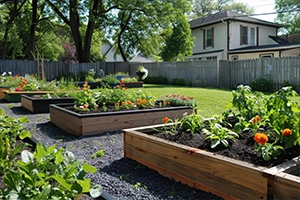
Gardens are a simple yet effective way to add beauty to a space. In HOA communities, garden rules matter because they help maintain safety and consistency in outdoor areas. Without clear standards, minor issues can quickly turn into shouting matches and legal disputes.
HOA garden rules set expectations for owners. They dictate what residents can plant, how they must maintain their yards, and where they must limit their growth. These rules help protect both curb appeal and property values, since clean and uniform landscaping can attract more buyers.
Additionally, these rules can make budgeting easier and more accurate. Maintenance problems, irrigation systems, and landscaping contracts all play a role in an association’s finances.
Other than that, HOA garden rules can help maintain harmony within the community. When everyone keeps to the same limitations, neighbors are less likely to fight. Gardens won’t encroach on each other’s properties, and the overgrowth won’t attract pests.
It is worth noting that garden rules apply primarily to single-family HOAs, not condominiums. Since single-family homes are detached, they typically come with lawns or yards. Condo units, on the other hand, do not.
Common HOA Garden Restrictions
Garden rules can vary from one community to another, depending on their needs and standards. That said, they commonly regulate height, plant types, color palette, maintenance, structural modifications, and water conservation. Let’s discuss these below.
1. Height
One of the most common HOA plant rules limits the height that these plants can grow. This is to prevent overgrowth, which can attract pests and obstruct views. Overgrown plants are also just generally less appealing to look at.
2. Types
Some associations may regulate the types of plants owners can grow. For example, an HOA may restrict or ban edible plants, such as fruits and vegetables. This stems from concerns about wildlife, pesticides, and appearance.
While homeowners might have to go through an approval process, many communities make it easier by providing a list of pre-approved plants. From this list, owners can choose which ones to add to their garden.
Succulents, native plants, and weeds are often more restricted in HOAs due to their appearance. Associations usually prefer traditional plants for a more curated aesthetic.
Succulents can be challenging to maintain because they require owners to constantly wipe away dust and prune dry or dead leaves. They also can’t withstand freezing temperatures. Weeds and native plants, on the other hand, tend to grow quickly, making them more difficult to maintain.
3. Color Palette
Most communities require homeowners to follow a color palette for their HOA garden. Again, this rule aims to maintain design consistency across all homes in the neighborhood.
4. Maintenance
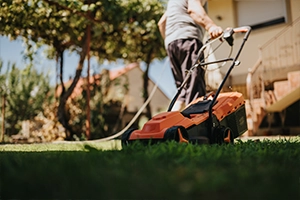
Homeowners must ensure their gardens, lawns, and yards are clean and well-maintained. This means trimming tree branches, replacing dead or dying plants, and practicing lawn care. Homeowners must not let plants and shrubs overgrow onto the sidewalks or encroach on neighboring properties.
5. Structural Modifications
Associations generally regulate landscape or structural modifications. This includes patios, fences, and other types of decor. For example, an HOA may limit the type of lawn furniture or sculptures owners keep on their lawns. Setback requirements for fences are also common HOA landscaping rules.
If an owner wishes to make any changes, they must usually submit an application for review. The Architectural Review Committee or the HOA board will then check if the proposal aligns with the community’s standards.
6. Water Conservation
Association rules may govern water usage, too. This includes limiting watering time or prohibiting certain methods, such as overhead sprinkling. Every community is different, so it’s best to check the governing documents to ensure compliance.
State and Local Laws on Drought-Tolerant Plants
In an effort to conserve water and promote sustainability, many states have passed laws protecting the right of homeowners to use drought-resistant landscaping. These laws prohibit HOAs from enacting or enforcing rules that effectively ban drought-resistant plants.
California is one example. Civil Code Section 4735 states that associations cannot prohibit or unreasonably restrict the use of low water-using plants and artificial turf. Unfortunately, Virginia does not currently have similar laws.
Still, board members should think twice about such prohibitions. Drought-resistant landscaping is not only a booming trend but also displays a commitment to sustainable choices. Associations and their members can conserve water while attracting eco-conscious buyers.
HOA Community Garden Rules for Fruits, Herbs, and Vegetables
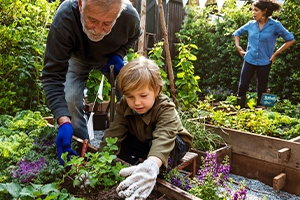
Many associations prohibit homeowners from planting fruits, vegetables, or herbs in their gardens. Such plants typically require more maintenance, and most owners can’t keep up with the demands. Moreover, these types of gardens usually attract pests and wildlife.
As a compromise, associations can instead establish a community garden. This is a communal space where owners can rent lots to grow edible plants. A community garden not only makes maintenance easier but also offers more control over appearance. The HOA can monitor wildlife, pests, and the use of pesticides on a much deeper level.
Additionally, communal gardens can add beauty to the neighborhood. Boards can decorate the space with benches, lamps, and fountains. Beyond that, gardens can attract new buyers who value sustainability.
What Happens When Homeowners Violate HOA Garden Rules?
Rules are pointless when associations don’t enforce them correctly. If a homeowner violates a rule, they can face a number of consequences, including but not limited to:
- Violation Notice. Most violations begin with notice, letting the owner know that they have broken a rule and what penalties may follow. In Virginia, HOAs must give owners the opportunity to rectify the alleged violation before pursuing further action (Section 55.1-1819).
- Disciplinary Hearing. Associations must allow homeowners to appear before the board and plead their case.
- Fines. After notice and an opportunity to be heard, homeowners can face monetary penalties for violating HOA garden rules.
- Suspension of Privileges. An association may temporarily revoke an owner’s access to amenities and voting rights until the violation is corrected.
- Legal Action. If the owner refuses to remedy the violation, the HOA may take legal action. A court may then force the owner to comply.
All Things Considered
As restrictive as they might seem, HOA garden rules serve an essential purpose. They exist to maintain order, consistency, and harmony within a community. They hold homeowners accountable and ensure they meet their obligations. Still, boards must comply with state laws and their governing documents while enacting and enforcing such rules.
National Realty Partners is a leading provider of association management services in Virginia. We can help your board manage and enforce the rules. Call us today at 703-435-3800 or request a proposal online to get started!
RELATED ARTICLES:
- How To Manage Noise Complaints In HOAs Without Escalating Conflict
- HOA Parking Rules: Street Parking, City Streets, And Homeowner Rights
- The Impact Of Slow Mail Delivery To HOAs And Homeowners