
When it comes to fair housing requirements, reasonable accommodation in HOAs often turns into one of those areas where boards must tread carefully. The rules can feel confusing at times because the requests vary from one resident to another. That said, the board should understand that compliance is not optional.
What is Reasonable Accommodation in HOAs?

Reasonable accommodation in HOAs would mean that the association adjusts or changes a rule, policy, or physical structure so a person with a disability could use and enjoy their home more fully.
The board doesn’t have to grant every request that lands on the table, but the law requires the board to consider each one carefully. A request might sound minor or might involve bigger structural steps, yet the board must still evaluate it through the same process.
These accommodations could include exemptions from certain rules or changes in how the association applies a rule. The point is simple. Residents with disabilities need equal access. The board must not create unnecessary barriers or require more than the law allows. In the end, the focus should be on whether the change would remove the barrier without creating an undue burden on the association.
Common Examples of Reasonable Accommodation in HOAs
Not all requests are made equal. They can vary depending on the type of community, the amenities, and the demographics of the residents. That said, here are some of the most common requests for reasonable accommodation for persons with disabilities.
- Allowing a service or emotional support animal, even if the community has a no-pets policy,
- Adjusting parking rules if a resident needs an accessible space near their building,
- Installing ramps for wheelchair users,
- Modifying common area doors for persons with disabilities, and
- Sending notices in a specific format to a resident to fit their disability.
What are the Reasonable Accommodation Laws?

There are two federal laws that cover reasonable accommodations: the Fair Housing Act and the Americans with Disabilities Act. In Virginia, there are also state-level fair housing laws.
FHA and Virginia Fair Housing Act
The federal Fair Housing Act requires housing providers to allow for reasonable accommodation requests. This applies to HOAs and condominiums as well.
The FHA prohibits discrimination based on disability. This means that the association must not deny an accommodation if it can reasonably grant it. If it will help the resident use and enjoy their home equally, then the HOA must approve the request.
The Virginia Fair Housing Law includes similar protections. According to this law, associations must consider reasonable accommodation requests. Under both laws, physical and mental impairments that limit major life activities are also recognized as disabilities.
Virginia ADA Requirements
While the Americans with Disabilities Act protects persons with disabilities, not all of its provisions apply to HOAs and condominiums. The ADA only applies if the association operates common areas as public accommodations. If the common area serves the general public, which includes non-residents, the ADA rules might apply.
This is often confusing for board members, as HOAs are not always considered public entities. The key lies in the way people use the area. Some examples of publicly operated HOA spaces include:
- Offices on the property that members of the public regularly visit,
- Amenities or facilities open to the public through paid passes,
- Public events that take place in the common areas of the community, and
- Regular gatherings of churches or schools in common areas.
It can be challenging to determine where the ADA and HOAs overlap. To ensure compliance, it’s a good idea for boards to hire a lawyer or HOA manager to guide their decisions and avoid liability.
How to Handle Requests for Reasonable Accommodation in HOAs
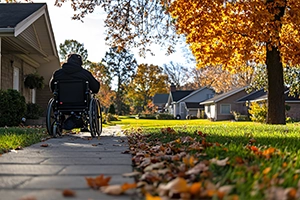
When the board receives a request for reasonable accommodation, it must know how to proceed. Establishing a standard process is paramount to ensuring fair and consistent implementation.
1. File a Written Request
Residents must submit their requests in writing. This document must clearly indicate that the resident has a disability. They don’t have to share the specific details of the disability, but they must detail the accommodation they are requesting. This request must also explain how the accommodation will help the resident.
2. Ask for Documentation
Board members may request additional documentation from a healthcare provider to confirm the disability and why the accommodation is necessary. It is important to proceed with care and respect when asking for documentation, as the matter is quite sensitive. Moreover, the board must only ask for this if there is a valid reason to verify the request.
3. Communicate
The next step is to talk to the resident about their request. Board members should approach such conversations with professionalism and respect. This step is intended to detail the resident’s needs and reach a resolution. If the original request is impossible, both parties have a chance to consider alternative modifications or accommodations.
4. Make a Decision
After considering all evidence and reasoning, the board must decide whether to grant the request. It is crucial to make this decision within a reasonable timeframe so that the resident doesn’t wait too long. Then, the decision must be communicated to the resident in writing.
5. Apply the Accommodation
Following approval, the board should work alongside the resident to execute the accommodation. This might be a physical modification to a dwelling or a common area, or a simple rule change. Regardless, the board must implement the decision promptly.
Reasonable Accommodation in HOAs: The Issue of Confidentiality
Board members must act and speak carefully when it comes to requests for reasonable accommodation. Since these requests often involve disclosing that a resident has a disability and a need for a change, there is a risk of breaching confidentiality.
The resident’s privacy must be protected at all costs. Board members should never share the resident’s medical information (or even disclose that they have a disability in the first place) to others.
Additionally, the board must assess each request with a careful eye. Blanket decisions should not be made, as residents don’t have the same disabilities. Each case must receive attention, with the board tailoring its decision to the specific needs and circumstances of each request.
Finally, the board must ensure that it documents all decisions. Communication records and decisions must be made in writing. Of course, to maintain confidentiality, these records must not be made publicly available unless a court intervenes.
At the End of the Day
When it comes down to it, reasonable accommodation in HOAs protects the rights of residents with disabilities to access and enjoy dwellings and common areas equally. Board members must be aware of the laws and make necessary adjustments. It is also important to follow standard procedures to avoid liability.
National Realty Partners is a leading provider of association management services in Virginia. We can help your board manage and enforce the rules. Call us today at 703-435-3800 or request a proposal online!
RELATED ARTICLES:
- How Can HOA Insurance Protect Your Association?
- HOA Debt Collection: What’s Legal And Frequently Asked Questions
- What Is The Virginia Property Owners Association Act?