
Condo repair is a shared duty that balances between the association and individual owners. Understanding who is responsible for what is important, as it helps prevent confusion and conflict. From plumbing and roofs to HVAC systems and structural issues, each party has clear obligations.
The Importance of Condo Repair and Maintenance
Regular condo maintenance keeps buildings safe, functional, and appealing. It helps preserve property values and ensures that shared amenities remain in good condition. Maintenance can also prevent small issues from turning into expensive problems. When done consistently, it improves the quality of life for all residents.
An effective maintenance plan, of course, should rely on clear roles and responsibilities. Without this clarity, repairs may fall behind or get duplicated. That is why associations and unit owners must know their individual and shared responsibilities.
Who is Responsible for Condominium Repairs?
Understanding condo repairs responsibility is essential for both the board and residents. Responsibilities are usually divided between the condominium association and the individual unit owners. These rules can vary depending on the association’s governing documents and state laws.
In Virginia, the Condominium Act outlines how responsibility is typically assigned. Section 55.1-1955 states that the association is responsible for maintaining and repairing the common elements unless the declaration says otherwise. Meanwhile, unit owners are responsible for their units, including any part of their units.
If a repair is needed due to a defect in a common element, the condo association assumes responsibility. For example, if a roof leak causes damage inside a unit, and the roof is a common element, the association must handle both the roof repair and the resulting interior damage.
Additionally, when the condo needs to access a unit to perform repairs, the owner must allow reasonable entry. If any damage is caused while accessing the unit, the party responsible for the damage (either the unit owner or the association) is liable for the repair.
Condo Maintenance Responsibilities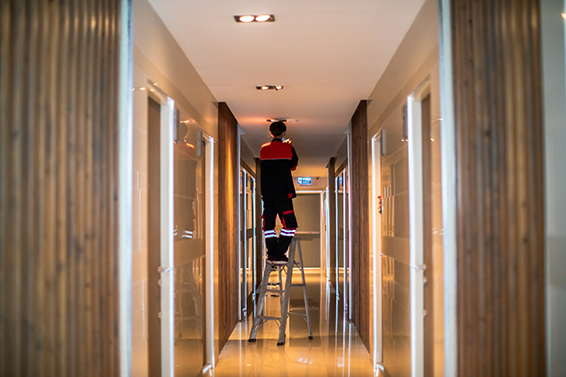
The condo association is responsible for maintaining all shared areas and systems that fall under the common elements of the property. These typically include the following:
- Roofs
- Exterior walls
- Lobbies and hallways
- Recreational amenities
- Electrical and plumbing systems that serve multiple units
- Parking areas
- Stormwater facilities
Section 55.1-1956 outlines the association’s authority to maintain these areas and manage related improvements. The association can also hire professionals, grant easements, and enforce architectural controls. It must also handle legal issues or repairs involving common elements.
Shared responsibilities include paying for those repairs. Per Section 55.1-1964, the association assesses unit owners for common expenses. These costs are divided based on either the number of votes tied to each unit or their share of ownership in the common elements. The association may impose special assessments to cover additional expenses if regular dues are insufficient.
For limited common elements, such as balconies or patios assigned to specific units, the associated costs usually fall on the unit owner unless the declaration says otherwise.
Unit Owner Maintenance Responsibilities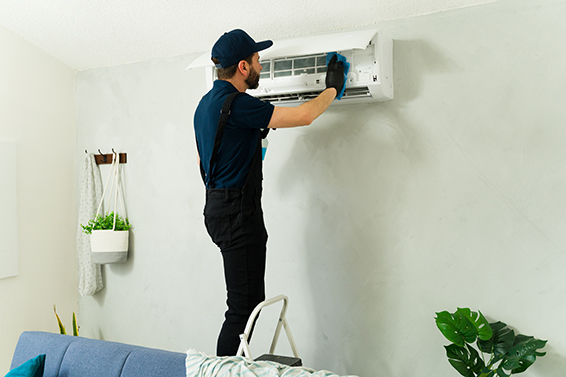
Unit owners are responsible for maintaining and repairing everything inside their unit. These include the following:
- Interior walls
- Flooring and ceilings
- Interior fixtures and appliances
- Pipes and wiring that only serve their unit
- Windows and doors, if designated as part of the unit
If a repair involves something exclusive to the unit and is not the result of a problem in the common elements, the owner must handle it.
Furthermore, unit owners are required to pay their share of all general maintenance expenses. If damage occurs because a unit owner or guest misuses a limited common element or shared area, the cost of repair may be specially assessed against them.
Who is Responsible for Structural Issues in a Condo?
When it comes to condo building repair, the responsibility again depends on whether the issue affects common elements or individual units.
In Virginia, the declarant (or developer) is responsible for structural defects for two years after a unit or common element is first conveyed to a bona fide purchaser. Under Section 55.1-1955, this includes warranties that the unit is habitable and the structure is safe.
It is important to define structural defects in this context. These are issues that affect the safety or intended use of the structure and that require significant repair.
After that two-year period, the association generally takes over responsibility for common structural components, such as foundations, supporting walls, and roofs. Unit owners remain responsible for the interior structure of their own units unless a shared system caused damage.
If defects are discovered before the end of the warranty period, a warranty review committee may be formed under the same section to evaluate the issues and file claims. This committee has legal authority to act on behalf of the entire association.
Who is Responsible for HVAC in a Condo?
Responsibility for heating, ventilation, and air conditioning (HVAC) systems depends on where the equipment is located and who it serves.
If the HVAC system is located within an individual unit and serves only that unit, the unit owner is responsible for repairs and replacement of the system. This includes wall-mounted units, in-unit air handlers, and ductwork confined to that unit.
If the system is shared between multiple units or located in a common area, the association must handle maintenance and repairs. This might apply to rooftop units, central boilers, or shared ductwork.
In many condominiums, the governing documents will further define whether HVAC equipment is part of the unit or a common element. Boards should refer to their CC&Rs and bylaws for specific language.
The Importance of Condo Reserve Funds
Condo associations should maintain a healthy level of reserves. This reserve fund acts as a savings account for long-term condo repairs and replacements. Without sufficient reserves, associations must resort to raising dues, levying special assessments, or taking out a loan to meet their primary maintenance needs.
In Virginia, condominium associations are required to conduct a reserve study at least once every five years. Section 55.1-1965 also states that the association must review the results of this study every year to confirm the adequacy of its reserves. The condo board must make necessary adjustments to its budget and owner dues to meet its reserve funding needs.
Condo Repairs: Who Pays? Answered!
It is often difficult to determine condo repair responsibilities, especially when shared elements are involved. Associations can easily discern these responsibilities by checking state laws and their governing documents. In general, the association maintains all common elements, whereas owners maintain their individual units.
National Realty Partners is a leading provider of condo management services in Virginia. We help communities thrive. Call us today at 703-435-3800 or request a proposal online to get started!
RELATED ARTICLES:
- Is A HOA Reserve Study Required In Virginia?
- A Step-By-Step Guide To HOA Transition From Developer Control
- How Can HOA Insurance Protect Your Association?