
E-bikes in HOAs are becoming increasingly common as more residents commit to sustainable practices. While e-bikes offer convenience and environmental benefits, they also pose certain challenges for associations. Board members must balance community policies with resident freedom.
The Safety Risks of E-Bikes in HOAs
The electric vehicle market is expected to grow steadily each year, reaching $996.3 billion in worldwide revenue. While electric cars currently dominate the industry, e-bikes and e-scooters are emerging as close seconds.
The popularity of electric bikes in HOAs has led many boards to evaluate the potential risks they pose within residential communities. While e-bikes are generally safe, they can create hazards if left unregulated.
Here are the risks of e-bikes in HOAs.
1. Reckless Driving
One of the most common concerns involves excessive speed. Many e-bikes can travel significantly faster than traditional bicycles, especially on downhill slopes or when using pedals. Riders may speed through parking lots, sidewalks, trails, or shared roads without even considering the safety of pedestrians.
Children, elderly residents, pet owners, and individuals with mobility limitations are particularly vulnerable to crashes and injuries. Furthermore, communities with narrow streets or heavy foot traffic often experience greater safety concerns.
2. Fire Hazards
Lithium-ion batteries power most e-bikes and many electric scooters in HOAs. While battery fires are relatively uncommon, they can be very severe when they do occur. If an owner improperly charges their bike, continues to use damaged batteries, or buys low-quality parts, the fire risk increases.
Fire concerns are especially significant in condominiums and townhome communities where residents may charge devices in garages, storage rooms, hallways, or other enclosed areas. A single battery fire can spread quickly between units, endangering everyone in the building.
3. Noise and Nuisance
Most e-bikes operate quietly, but some models produce noticeable motor noise. Residents may also complain about groups of riders gathering in common areas, racing through the neighborhood, or using e-bikes late at night. While the noise may not be as loud as that of motorcycles, e-bikes can still be a common source of noise complaints.
4. Property Damage
E-bikes are heavier than traditional bicycles because they are motorized. When residents ride through landscaping, trails, and recreational facilities, it can cause premature wear and tear. Improperly parking e-bikes can also damage walls, elevators, doors, and other common areas.
Can an HOA Ban E-Bikes?

When discussing e-bike safety in HOA communities, many boards wonder whether they can simply prohibit e-bikes altogether. The answer depends largely on state laws and the association’s governing documents.
State laws generally authorize associations to adopt and enforce reasonable rules, especially regarding common areas. Most don’t specifically address e-bikes, instead imposing outright bans on EV charging stations, such as in Virginia.
If state laws are silent, boards must turn to their CC&Rs and bylaws. A complete ban is often difficult to defend, especially if residents only use their e-bikes on public streets or on their own lots. It is much easier to enforce a ban in common areas.
To ensure an e-bike policy is enforceable, boards must ensure it is properly enacted and included in the governing documents.
Can Condos Ban E-Bikes?
The issue of e-bikes in condos is often more complicated because residents share walls, hallways, elevators, parking garages, storage areas, and other common elements. Just like HOAs, condo boards generally have the authority to regulate common elements and facilities. Restrictions typically include the parking, storage, charging, and operating of e-bikes.
Board members must consult state laws and their governing documents to determine whether they can regulate e-bikes. Outright bans may not be necessary, as restrictions are oftentimes enough to maintain safety and address other concerns.
In Virginia, the law only addresses EV charging stations, with no mention of e-bikes in particular. That said, the CC&Rs and bylaws may outline more specific requirements and procedures for regulating e-bikes.
Common HOA E-Bike Policies
As e-bikes become more common in HOAs, associations should adopt clear policies addressing their use and storage. Exact policies can vary, but they generally address the following:
1. Driver Restrictions
Some communities establish minimum age requirements for operating e-bikes within association property. Boards may also require compliance with state and local laws governing electric bicycle use. Associations should ensure that any restrictions are reasonable and consistent with the law.
2. Speed Limits
One of the most effective ways to address e-bikes in HOAs is through reasonable speed limits. Associations usually establish speed restrictions for common-area roads, pathways, trails, and recreational spaces. Lower speed limits help reduce the likelihood of accidents and improve pedestrian safety.
3. Safety Gear
While state and local laws may vary, associations can encourage riders to wear helmets and other protective equipment. It is imperative to educate residents on safety practices using newsletters, reminders, and even at meetings.
4. Designated Areas
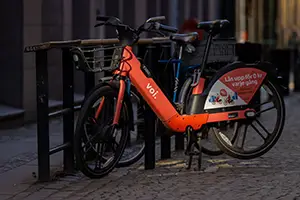
Associations often designate specific locations for parking e-bikes, charging batteries, storing bicycles and scooters, and recreational riding.
With designated areas, boards can help reduce conflicts between residents, particularly riders and pedestrians. At the same time, they can help protect landscaping and HOA property.
5. Charging and Battery Rules
Many associations adopt policies that address battery charging practices. Rules often prohibit charging in hallways, stairwells, mechanical rooms, or other sensitive areas to limit fire hazards. Additionally, boards can require batteries to meet recognized safety standards and prohibit the use of damaged or modified batteries.
6. Parking and Storage Requirements
Communities can establish guidelines regarding where owners can store their e-bikes when not in use. Many associations don’t allow owners to store their e-bikes on the street or in full view, instead requiring them to keep the vehicles in the garage. Such a rule helps maintain a consistent community appearance. Moreover, it can prevent obstructing walkways, entrances, and emergency exits.
Regulating E-Bikes in HOAs
E-bikes pose both challenges and benefits for an HOA or condo association. Banning them outright can lead to dissatisfied residents, especially in communities where sustainability is a priority. By enforcing restrictions instead, boards can strike the right balance between keeping residents happy and preventing EV-related risks.
National Realty Partners is a leading provider of HOA management services in Virginia, Maryland, and Washington, DC. We can help your board enforce rules. Call us today at 703-435-3800 or request a proposal online!
RELATED ARTICLES:
- HOA Rules For Home Businesses: What’s Allowed And What’s Not?
- HOA Garden Rules: What’s The Big Deal With Plants Anyway?
- Solar Panels In Virginia: Can The HOA Prohibit Installation?