
The HOA board plays an essential role in the success and management of a community. Homeowners should understand who the board members are and their respective responsibilities. Similarly, board members should be aware of their responsibilities and understand how to conduct themselves ethically in their positions.
What is the HOA Board?
Homeowners associations are organizations that are responsible for maintaining the community. To fulfill this responsibility, every association requires a set of leaders known as the HOA board of directors.
The HOA board consists of volunteer homeowners. Once they are nominated, fellow homeowners or members vote to elect them. Elections typically take place every year at the annual meeting, with board positions opening up in a staggered manner.
Defining the HOA Board of Directors’ Responsibilities
The HOA board is responsible for managing the entire community. Many duties and functions encompass this. Here are the HOA board responsibilities.
1. Common Area Maintenance
In an HOA, homeowners share common areas and amenities. These include swimming pools, clubhouses, gyms, playgrounds, sports courts, hallways, walkways, elevators, lobbies, and more. The HOA is responsible for maintaining these areas, ensuring that they are clean and functional.
2. Financial Management

Homeowners associations handle money all the time. They collect dues from homeowners, which are then used to cover various expenses, including maintenance, insurance, and contractor fees.
One of the most challenging duties of an HOA board is financial management. This involves a multitude of tasks, including but not limited to:
- Planning the annual budget
- Collecting dues and assessments
- Managing delinquent accounts
- Preparing financial statements
- Bookkeeping
- Filing taxes
- Planning and managing the reserves
- Invoicing and paying vendors
3. Rule Enforcement
Homeowners associations must adhere to the governing documents, and members must follow the community’s rules. The HOA board is responsible for enforcing these rules and ensuring compliance with the CC&Rs and bylaws.
4. Vendor Coordination
The HOA can’t run on its own – it needs help from vendors and contractors. The HOA board is responsible for hiring and managing vendors, from soliciting bids to monitoring performance.
5. Conflict Resolution
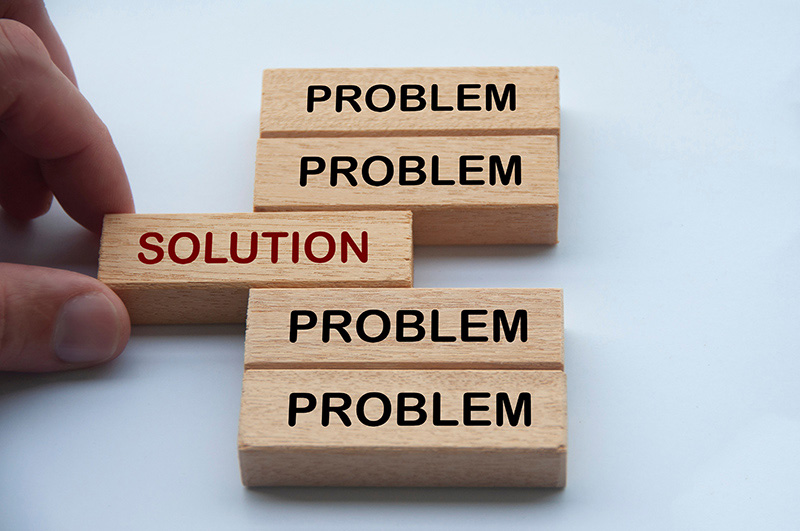
Disputes are a regular part of any community. When they occur, the HOA board must intervene to resolve them and prevent discord among members. Most HOAs have internal conflict resolution strategies, but alternative dispute resolution (ADR) methods can also be effective.
6. Homeowner Communication
Board members must maintain active communication with residents, keeping them informed about all community affairs and updates. This involves sending notices, posting announcements (both offline and online), and gathering homeowner feedback.
What are the HOA Board Positions?
The board of directors in an HOA consists of four basic positions: president, vice president, secretary, and treasurer. Let’s break down these HOA board members responsibilities below.
President
The HOA president is the leader of the board and the whole community. They preside over meetings and ensure that board decisions align with the objectives of the HOA. They also act as the main representative of the association when dealing with third parties or outside matters. This means they act as the signatories of contracts and even checks.
Vice President
The vice president takes over the role of the president when the latter is out of office or otherwise can’t perform their duties. Because of this, the VP must have a solid understanding of the president’s responsibilities.
Beyond that, the VP helps the president in carrying out their duties. The president may delegate tasks to the VP or assign them more specific ones. Due to the flexible nature of the VP’s role, exact responsibilities can vary from association to association.
Secretary

The secretary is responsible for handling all of the HOA’s records and documentation. They record the minutes of every meeting, maintain essential documents, and facilitate requests for record inspections by members. In Virginia, Section 55.1-1815 requires HOAs to make all books and records available to good-standing members for examination.
Treasurer
The treasurer is the officer responsible for managing the organization’s finances. They handle budget planning and expense tracking as well as dues collection and allocation. They also prepare financial statements, oversee bank accounts, manage reserve funds, and facilitate audits or tax filings.
What are the Requirements for HOA Board Members?
The requirements for HOA board members depend on state laws and the governing documents. Virginia law does not specifically outline any criteria; however, individual HOAs may have their own requirements as outlined in their bylaws.
Common requirements include:
- Homeownership. The board member must be homeowners in the community. This ensures that those making decisions have a vested interest in the neighborhood’s welfare.
- Good Standing. Most HOAs require board members to be current in their dues and have no outstanding rule violations.
- No Conflict of Interest. The board member must not have a conflict of interest that would influence their decisions.
Do HOA Board Members Get Paid?
Although board members serve the community, they do not get paid. Some states prohibit HOA board members from receiving any form of compensation. Most governing documents also contain similar provisions.
Board members are volunteers, and getting paid would turn them into employees. This might compromise the association’s insurance policies and create tax issues. Board members also have a fiduciary duty to the association, and paying them could lead to potential conflicts of interest.
HOA Board of Directors Code of Conduct
An HOA board code of conduct is a set of written expectations that guide how board members should behave while performing their duties. It promotes professionalism, integrity, transparency, and accountability within the association.
While the Community Associations Institute (CAI) provides a model code of ethics for board members, associations can create their own. At the very least, this code should state that board members:
- Must act within the community’s best interests;
- Maintain confidentiality;
- Avoid conflicts of interest;
- Communicate respectfully;
- Follow the governing documents and the law;
- Act ethically and transparently;
- Attend meetings and participate in them actively;
- Refrain from abuse of power;
- Practice financial integrity; and,
- Support board decisions.
Getting Professional Help
The HOA board holds several responsibilities and is the primary representative of the association. It can all get too overwhelming for volunteers, which is why many associations turn to professional management.
National Realty Partners is a leading provider of HOA management services in Virginia. We help communities thrive. Call us today at 703-435-3800 or request a proposal online to get started!
RELATED ARTICLES:
- The Backbone Of Any HOA: Why Governing Documents Matter
- Breaking Down Virginia HOA Laws
- Can You Refuse To Join A Homeowners Association?