
Understanding HOA fence rules is important for both board members and homeowners. While some owners might think they can do whatever they want with fences, in HOAs, the opposite is usually true. There are restrictions in place that often limit the height, style, and placement of fences. For HOA boards, navigating fence rules can be tricky without guidance.
What are HOA Fence Rules?
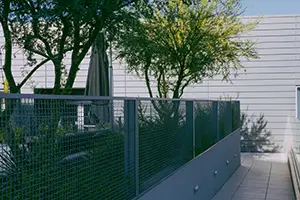
Fence rules are the standards that an association sets to regulate the installation, appearance, and maintenance of fences within a community. These rules typically appear in the governing documents, particularly the CC&Rs, operating rules, and architectural guidelines.
The purpose of HOA fence rules is to preserve a uniform community appearance, which helps protect property values. These rules also ensure safety and maintenance. Furthermore, they can prevent disputes between neighbors by establishing consistent standards.
In most associations, homeowners must obtain architectural approval before constructing, changing, or replacing a fence. This usually involves submitting an application, together with supporting documentation.
Is There a Virginia Fence Law?
Virginia currently lacks a statewide law that establishes a single set of fence requirements for all HOAs. Instead, fence regulations generally come from the association’s governing documents and local zoning ordinances.
Counties and municipalities often regulate fence height, placement, and setbacks. For example, many local governments limit the height of front-yard fences or impose visibility requirements near intersections.
At the HOA level, associations generally have the authority to establish architectural standards through their governing documents. These standards should dictate the association’s rules regarding fences.
Common HOA Rules on Fences
Most communities adopt HOA fence rules to create a consistent appearance throughout the neighborhood. While requirements vary from one association to another, common restrictions include the following:
1. Architectural Approval Requirements
Many associations require owners to submit an architectural application. This application often includes plans, measurements, materials, colors, and location details. If an owner fails to secure approval before starting installation or modifications, they can face enforcement action. The HOA may even compel the owner to reverse the change at their own expense.
2. Fence Height Restrictions
Associations usually establish maximum fence heights. For example, a six-foot privacy fence may be acceptable in a backyard but prohibited in a front yard because it blocks too much of the view of the house. Height restrictions can help preserve sight lines, improve aesthetics, and reduce conflicts between neighbors.
3. Approved Materials
Many associations restrict the types of materials owners may use. Common approved materials include wood, vinyl, aluminum, and wrought iron. Some communities prohibit chain-link fences because they don’t match the neighborhood’s aesthetic design.
4. Approved Fence Styles
Associations often require specific fence designs to maintain visual consistency. Examples include board-on-board fences, picket fences, shadowbox fences, and decorative metal fences. Unapproved designs may result in a denial even if the materials themselves are acceptable.
5. Color Restrictions
Many associations limit fence colors, requiring owners to stick to a pre-approved palette. Owners may also have to use natural wood stains, approved paint colors, or specific vinyl finishes. More often than not, associations don’t allow bright or unusual colors, as they can be an eyesore.
6. Location and Placement Requirements
Associations usually regulate where owners can install fences. Rules can prohibit fences in front yards or require fences to remain within lot boundaries. Additionally, some associations also require setbacks from sidewalks, easements, utility lines, or common areas.
7. Maintenance Standards
Homeowners are generally responsible for the maintenance of their fences. They must keep their fences clean, functional, and free from damage. If there are damaged sections, the owner would have to repair them or replace the deteriorated materials. This ensures a consistently attractive appearance.
8. Neighbor Visibility Requirements
Some communities prohibit fence styles that completely block visibility. For example, decorative metal fences may be required along golf courses, ponds, walking trails, or scenic areas to preserve views.
9. Corner Lot Restrictions
Owners of corner lots often face additional requirements since visibility at intersections is an important safety concern. As a result, associations may limit fence height or placement near street corners.
10. Shared Fence Requirements
Some communities establish rules governing fences that two or more properties share. The HOA may require neighboring owners to agree on materials, placement, maintenance responsibilities, or replacement costs before the board issues an approval.
Common Reasons for Denying Fence Applications

Even when homeowners submit applications, boards and architectural committees may still reject a proposal. Some of the most common reasons for a denial include:
1. Incomplete Applications
When plans, measurements, surveys, or material specifications are missing, the board or committee can’t fully evaluate the request. Homeowners must ensure they submit complete applications, information, and documentation. This will also help speed up the process.
2. Violation of HOA Fence Guidelines
If the fence doesn’t comply with the rules, such as height limits or approved materials, then the owner should expect a rejection. It is important to first review the HOA fence rules before submitting an application.
3. Installation Within Easements
Utility and drainage easements often restrict construction. A fence located within an easement may interfere with maintenance or repairs.
4. Safety Concerns
A denial can also stem from visibility issues for drivers, pedestrians, or cyclists. Owners must choose a location that won’t compromise visibility.
5. Conflict With Community Appearance
Boards and architectural committees often deny requests that significantly differ from the community’s established character. This comes down to the association’s design standards.
6. Prior Unresolved Violations
Some associations may stall the review of an application when the owner has an outstanding violation. The owner must typically address this violation first before the board proceeds.
The Importance of Fair and Consistent Enforcement
There is no room for selective enforcement with fence rules, or any other rules for that matter. Associations must always review each application with a fair and objective eye. Unfair treatment can give rise to accusations and legal action.
If an owner violates a fence rule, the board should follow due process. According to Section 55.1-1819, the association must give the owner a reasonable chance to fix the violation first by sending notice. If the owner fails to correct the violation, the board must allow them to request a disciplinary hearing before imposing any penalty.
Of course, enforcement is important, but education is equally paramount. Homeowners who are unaware of the HOA fence rules are more likely to violate them. Boards should create clear rules and formalize them in writing. From there, they should disseminate the rules and send reminders periodically.
On the Board’s Part
Well-crafted HOA fence rules can help maintain community appearance, reduce conflicts among neighbors, and preserve property values. Yet when rules are vague or poorly communicated, there’s a higher risk of application denials and violations. By adopting clear guidelines and enforcing them consistently, boards can create a fair review process that benefits everyone involved.
National Realty Partners is a leading provider of HOA management services in Virginia. We can help your board manage and enforce the rules. Call us today at 703-435-3800 or request a proposal online!
RELATED ARTICLES:
- HOA Parking Rules: Street Parking, City Streets, And Homeowner Rights
- HOA Garden Rules: What’s The Big Deal With Plants Anyway?
- How Strict Can HOA Holiday Decor Rules Get?